Why Trade with Mozambique?
Mozambique's ports and transport corridors offer the most direct and cost-effective sea access for many businesses in Southern Africa, making it a critical partner for regional import and export.

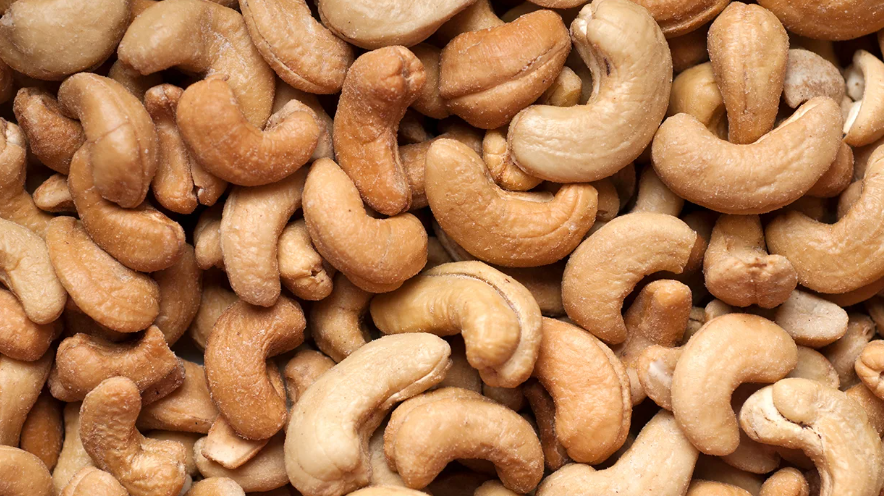
The fertile Beira and Nacala corridors have enormous agricultural potential. The country is a key source for products like cashews, cotton, sugar, and tobacco, with growing opportunities in processed goods.
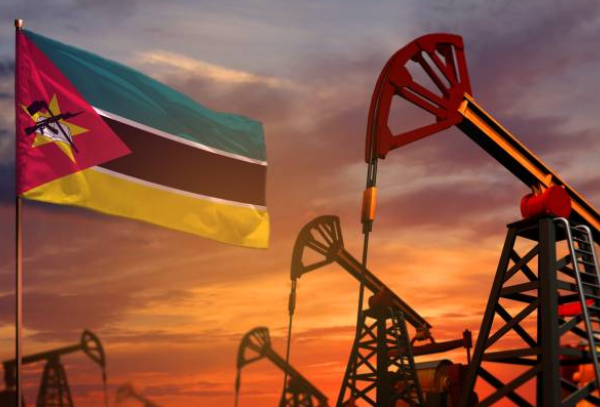
The production of aluminium (using hydro-power) and the forthcoming large-scale export of LNG make Mozambique a significant player in industrial and energy trade.
A long coastline supports a rich marine ecosystem, offering significant opportunities for sourcing high-quality seafood, particularly prawns and fish, with a growing focus on sustainable processing.
Mozambique is a key exporter of hydroelectric power to South Africa and other neighbouring countries, playing a vital role in the Southern African Power Pool (SAPP).
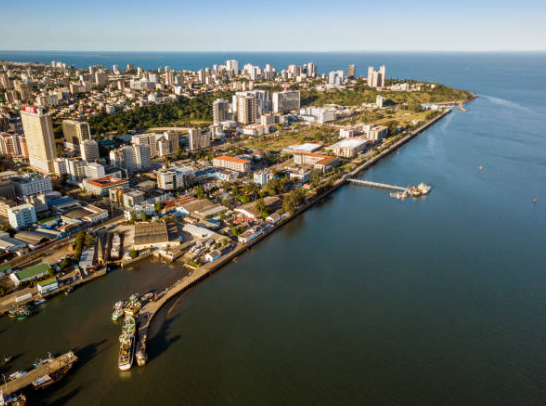
Significant investments are being made to upgrade port facilities, road networks, and border posts to enhance trade facilitation and reduce transit times.
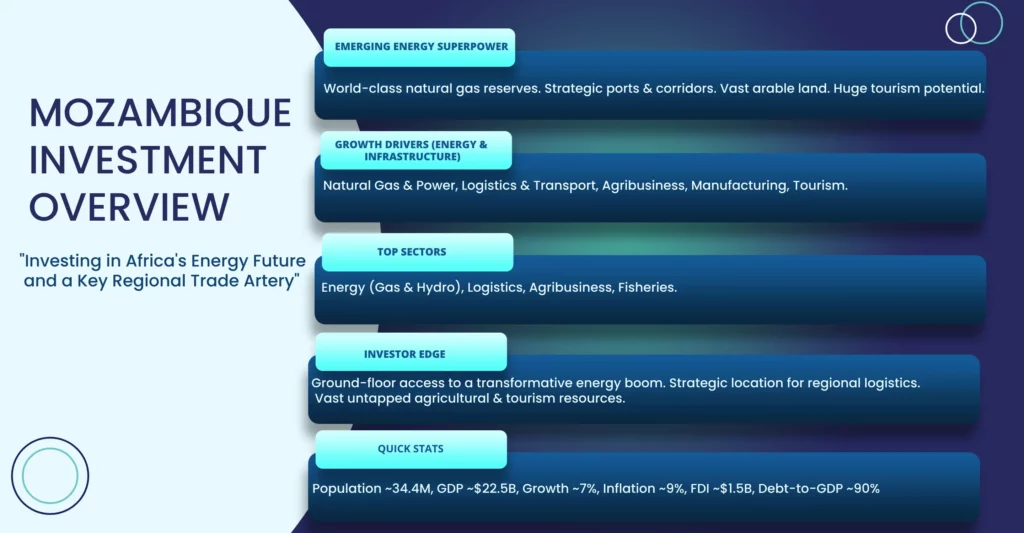
Mozambique: Leveraging Strategic Corridors for Global Trade
Mozambique's trade policy is centered on leveraging its strategic geographic location and vast natural resources to foster economic growth and development. The government is focused on creating a stable and attractive environment for large-scale foreign investment, particularly in the energy and mining sectors, while using its key transport corridors to serve as a critical gateway for its landlocked neighbors and boost its own exports.
Global & Bilateral Integration:
- World Trade Organization (WTO): Mozambique is part of the global rules-based trading system and has used this platform to manage international trade relations.
- EU-SADC Economic Partnership Agreement (EPA): Provides duty-free, quota-free access to the EU market for key Mozambican exports.
Continental & Regional Integration:
- AfCFTA: Ratified to diversify exports, boost intra-African trade, and empower SMEs.
- SADC: Preferential access to regional markets; Mozambique acts as a key seaport for multiple landlocked countries.
Investment & Legal Reforms:
- APIEX: The national agency facilitating investment and export promotion, acting as a one-stop shop.
- 2023 Investment Law: Strengthens legal guarantees for investors and streamlines procedures.
- Special Economic Zones: SEZs and Industrial Free Zones offer incentives and streamlined processes for manufacturers.
Mozambique's trade potential is immense, underpinned by vast reserves of natural gas, coal, and minerals, as well as fertile agricultural land. The focus is on value addition and economic diversification.
Current Trade Snapshot:
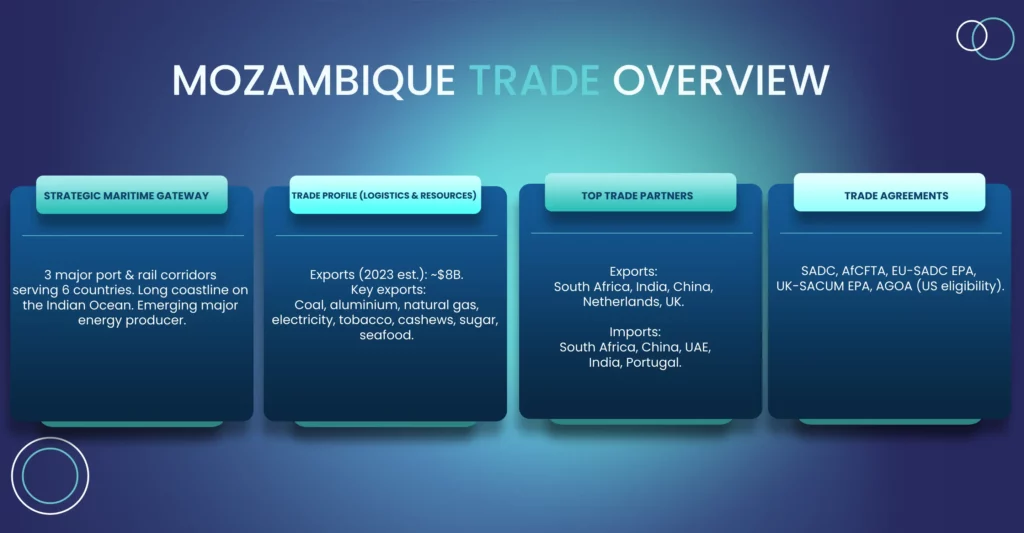
- Primary Exports: Coal, aluminum, LNG, mineral sands, rubies, tobacco, bananas.
- Key Imports: Machinery, petroleum products, vehicles, cereals, and foodstuffs.
Focus on Key Sectors:
- Energy - Natural Gas & Coal:
- LNG: Rovuma Basin offshore gas is transforming Mozambique into a top LNG exporter.
- Coal: Moatize basin is a global supplier of coking and thermal coal.
- Mining - Beyond Energy:
- Leading producer of rubies and graphite; expanding local processing of mineral sands.
- Agriculture & Agribusiness:
- Focus on cashews, cotton, sugar, and food security; Beira Agricultural Corridor is key to development.
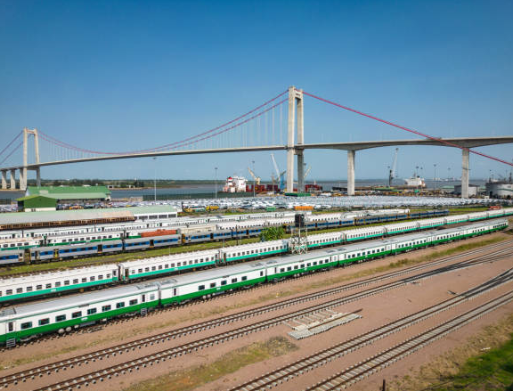
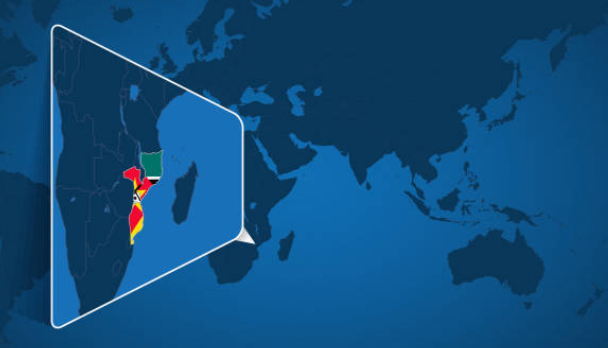
Mozambique's logistics strategy centers around three major trade corridors—Maputo, Beira, and Nacala—connecting hinterland nations to global markets via deep-sea ports.
The Maputo, Beira, and Nacala Corridors:
- Maputo Corridor: Links to South Africa, Zimbabwe, and Eswatini; key for mineral exports.
- Beira Corridor: Serves Zimbabwe, Zambia, and Malawi; vital for agricultural and fuel trade.
- Nacala Corridor: Deepest port in Southern Africa; essential for coal exports and access for Malawi and Zambia.
Streamlining Trade Processes:
- Single Electronic Window (Janela Única): Enables digital submission of trade documents to simplify customs procedures.
- Customs Modernisation: Ongoing reforms are aligning procedures with global best practices and improving risk-based management at borders.
Mozambique Investment Statistics
$14 Billion
Total Trade Volume
Annual goods trade (2023 est.)
>65%
Natural Resource Exports
Share of total exports from LNG, coal, and minerals
#2
Top African LNG Exporter
Ranked after Nigeria in LNG production capacity
3 Corridors
Strategic Trade Routes
Maputo, Beira, and Nacala corridors drive regional access
>1,000
Export-Registered Companies
Active across energy, mining, agriculture, and logistics
2023
New Investment Law
Enhancing guarantees and expanding sector incentives
Why Invest in Mozambique
The multi-billion dollar LNG projects in the Rovuma Basin are set to transform the economy. This creates massive opportunities not only in the gas sector itself but in a vast ecosystem of support services, logistics, and gas-powered downstream industries (e.g., fertilizers, power generation).
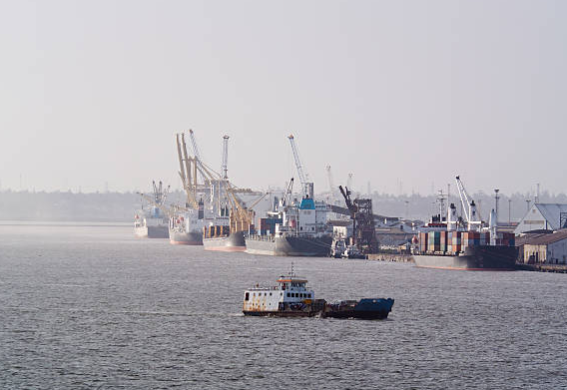
Invest in the infrastructure and services that form the backbone of Southern Africa's trade, including port operations, warehousing, and transport services along the Maputo, Beira, and Nacala corridors.
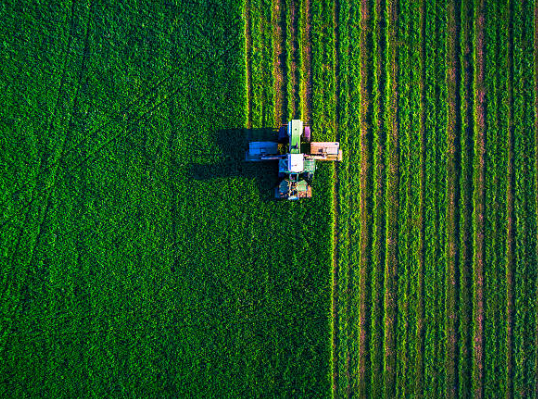
With over 36 million hectares of arable land, Mozambique has the potential to become a regional breadbasket. Opportunities are immense in large-scale commercial farming and, crucially, in processing sugar, cashews, cotton, and oilseeds.
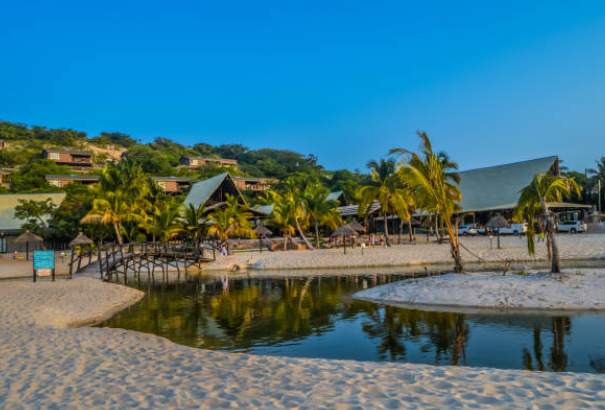
With a 2,500 km coastline, pristine islands, and rich national parks, Mozambique has world-class tourism potential. Investment is needed in hotels, resorts, eco-lodges, and related infrastructure.

The government offers Special Economic Zones, including the Beluluane Industrial Park, which provide tax incentives and quality infrastructure for manufacturing and industrial development.
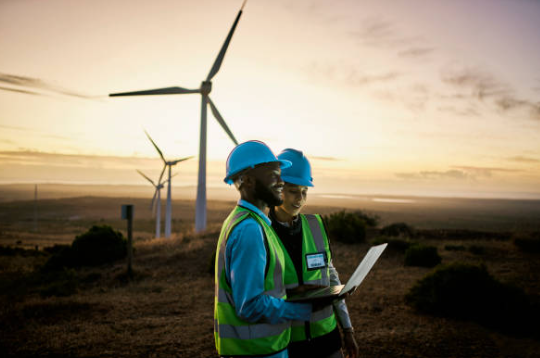
The country has a large and competitive workforce and a wide array of natural resources beyond gas, creating a strong foundation for industrial development.
Key Investment Sectors in Mozambique
Development of LNG facilities and support services. Investment in gas-to-power projects, fertilizer plants, hydropower, and large-scale solar farms.
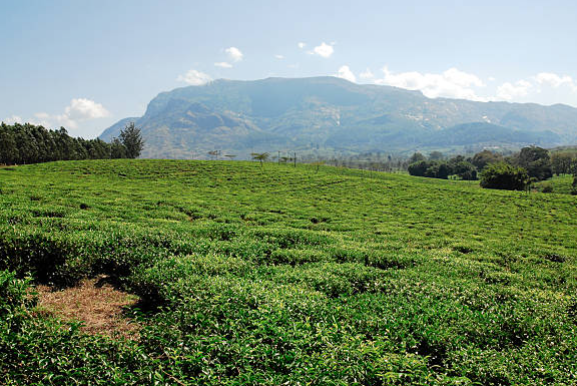
Large-scale farming of sugar, cotton, cashews, and soybeans. Investment in processing plants, irrigation schemes, and biomass energy production.
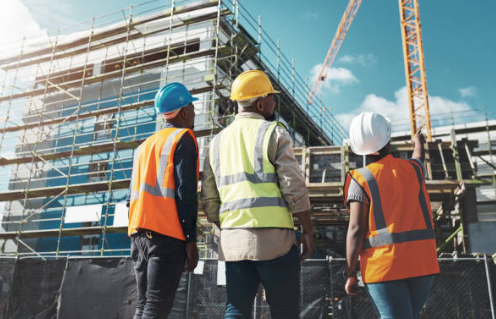
Port and rail operations, warehousing, cold chain storage. Development of industrial parks and transport fleets to serve the corridors.
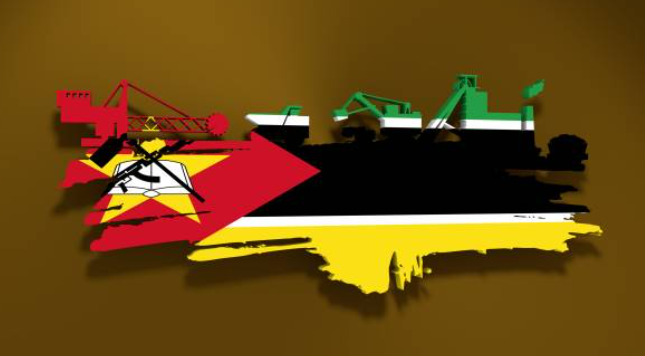
Production of beverages, food products, cement, and other construction materials to serve the growing economy. Assembly of consumer goods.
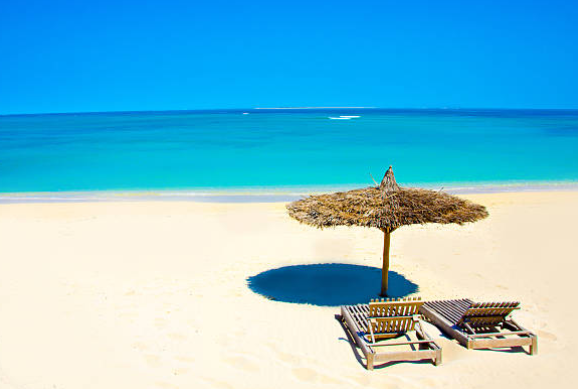
Construction and management of hotels and island resorts (e.g., in the Quirimbas and Bazaruto Archipelagos). Development of conservation-based tourism in national parks like Gorongosa.
Investment Incentives and Support (Facilitated by APIEX)
These incentives support regional development, integration, and competitiveness across Southern Africa in alignment with Mozambique's economic cooperation goals.
Export Processing Zone (EPZ) Regime
- SEZ/Industrial Free Zones: A reduced corporate tax rate, exemption from customs duties on imported equipment and raw materials, and exemption from VAT.
- Agriculture & Fisheries: Receive an 80% reduction in corporate tax for up to 10 years.
- Investment Tax Credit: A tax credit of 5–10% of the total investment amount is available for investments in new, tangible assets.
- Accelerated Depreciation: Favourable depreciation rates for tangible assets.
General Incentives
- Land Access: APIEX assists investors in identifying and securing land (known as a DUAT - Right to Use and Benefit from Land) for their projects.
Business & Operational Support
- One-Stop Shop: APIEX acts as the central point of contact for investors, assisting with company registration, licensing, and providing information on investment opportunities.
Success Stories
Illustrative examples given the scale of the economy; focus on potential and established niches
Mega Energy Projects
The Mozambique LNG project (led by TotalEnergies) and the Coral Sul FLNG project (led by Eni) represent tens of billions of dollars in FDI, positioning the country as a future global energy giant and transforming the economic landscape.
Industrial Anchor Project
The Mozal Aluminium smelter near Maputo has been a long-standing success. It uses hydroelectric power to process imported alumina into aluminium for export, making it one of the largest industrial projects in the country and a major contributor to exports.
Logistics & Corridor Management
The Maputo Corridor Logistics Initiative (MCLI) is a successful public-private partnership that has worked to improve the efficiency and safety of the transport corridor connecting South Africa's industrial heartland to the Port of Maputo.
Mozambique Investment News
TotalEnergies Resumes $20B LNG Project in Northern Mozambique
IFAD Invests €85M in Mozambique’s Cashew and Soybean Value Chains
Beira Port Expansion Aims to Strengthen Regional Logistics Hub
Eco-Tourism Flourishes: Bazaruto and Gorongosa Attract New Investors
Mozambique Technology Statistics
Key Technology Sectors in Mozambique
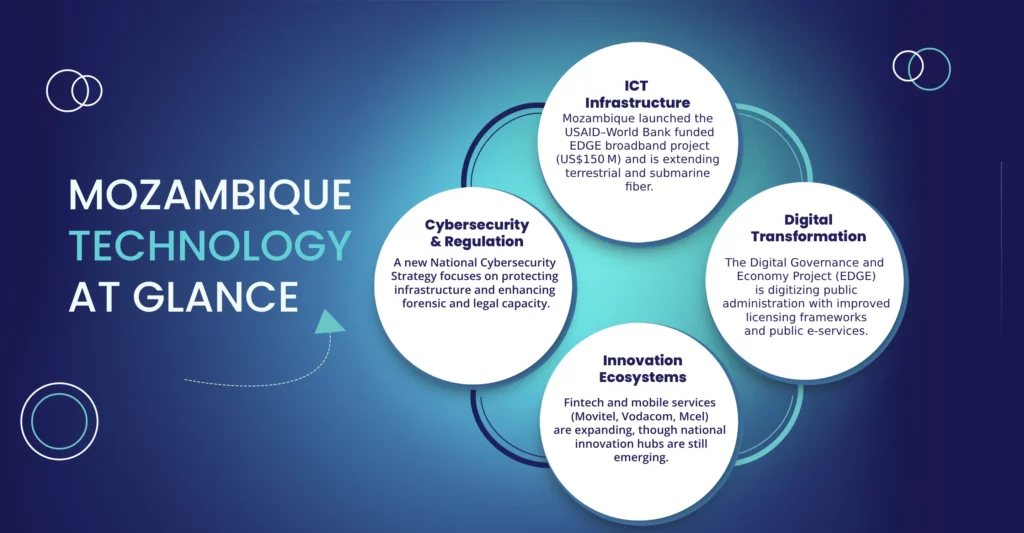
This is the most dynamic tech sector. Building on the mobile money boom, opportunities are strong in digital payments, micro-lending, and creating financial solutions for SMEs that will service the growing energy and logistics industries.
Deploying technology to manage the country's vital port and corridor operations. This includes fleet management, cargo tracking, and digital platforms to improve the efficiency of cross-border trade.

Using mobile platforms to provide smallholder farmers with access to information, markets, and finance. Opportunities also exist in using technology like GIS and drones for managing large-scale commercial farms.
Developing digital solutions to support the massive LNG projects and the broader energy sector. This includes asset management, environmental monitoring, and supply chain management software.
With a large and dispersed population, there is significant potential for telemedicine, digital health records, and mobile-based educational platforms to improve access to essential services.
Leading Technology Hubs & Initiatives
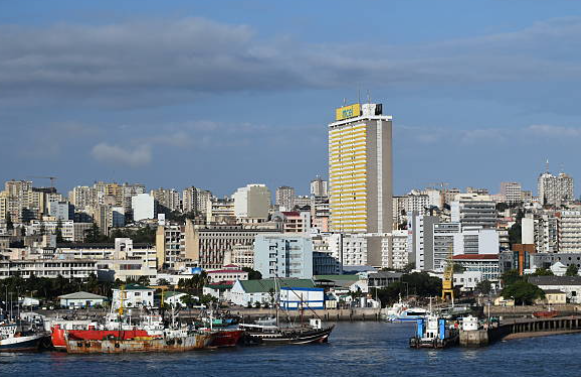
Maputo is the heart of the Mozambican tech scene. It is home to Ideario, the country's leading innovation hub, which provides incubation, acceleration, and co-working space for startups.
This is the government body responsible for regulating the ICT sector, promoting digital inclusion, and implementing the national ICT policy.

The government, with support from partners like the World Bank, is implementing projects to expand digital infrastructure, create e-government platforms, and promote digital literacy.

Companies like Vodacom Mozambique and mCel are central to the digital ecosystem. Their investment in network coverage and the development of their mobile money platforms are the primary enablers of the country's digital growth.

A growing number of local and international organizations are providing support to the Mozambican startup scene through competitions, mentorship programs, and seed funding, helping to nurture the next generation of tech entrepreneurs.
Mozambique Technology News

Mozambique Advances National Digital Strategy with Support from Development Partners

Mobile Money Boom: Mozambique FinTechs Expand Access to Unbanked Population
French-Speaking Talent Drives Mozambique's BPO & IT Outsourcing Growth

CleanTech Startups Power Off-Grid Communities with Pay-As-You-Go Solar
Unlock The Potential Of Mozambique
Mozambique is one of Southern Africa’s fastest-growing investment destinations, strategically positioned along the Indian Ocean with access to global shipping routes and regional markets through SADC and AfCFTA. With abundant natural resources, major LNG projects, green minerals, fertile agricultural land, and expanding manufacturing potential, Mozambique presents high-value opportunities for investors. Major development corridors, Special Economic Zones, and government reforms—supported by APIEX—enhance competitiveness and streamline investment. From energy and mining to agribusiness, logistics, tourism, and digital services, Mozambique is rapidly transforming into a regional trade and investment hub.
Contact Us
Ezekiel Tinashe Mukanga
31 Josiah Chinamano Avenue
Harare, Zimbabwe
📞 +263 777 768 425
✉️ info@sadcsotip.com
🌐 www.sadcsotip.com